This is the pairing travellers dream about and most itineraries get subtly wrong. Machu Picchu and the Galápagos look like neighbours on a map of South America, but they do not connect directly: every route between the citadel and the islands runs through Ecuador, and the altitude ladder on the Peru side punishes anyone who climbs it in the wrong order. This page sequences the whole corridor properly, Quito first, islands second, then south to Lima and down into the Sacred Valley, so the citadel day lands when you are ready for it.
Nothing here is bookable, and that is deliberate. This is a plan, with the costs, caps and paperwork stated plainly, so you can book it yourself in the right order, or hand it to an operator knowing exactly what the trip should look like.
How the combination works
There is no direct route between the Galápagos and Machu Picchu, so the combination is really a chain of flights with Lima as the hinge. Flights to the Galápagos leave from mainland Ecuador, from Quito or Guayaquil, and the islands connect back the same way. Cusco, the gateway city for Machu Picchu and the Sacred Valley, is reached by air via Lima. String the legs together and the two icons sit on one corridor: Ecuador's islands at one end, Peru's citadel at the other, Lima in the middle.
Either order works, and the choice is a genuine trade-off. Islands first, as this page runs it, starts the trip at sea level and saves the altitude for the end, when you are travel-fit. Machu Picchu first puts the climbing at the start, while you are freshest, and lets the trip end gently by the sea — but you meet the high country in your first days, so the acclimatisation days matter just as much. What neither order survives is rushing: Cusco stands at about 3,400 m, altitude needs unhurried days built in wherever you meet it, and the full combination wants roughly two weeks to do both icons without hurrying either.
- The hinge: Lima. Every version of this trip passes through it between Ecuador and Cusco.
- The islands: reached by air from Quito or Guayaquil on the Ecuadorian mainland. There is no flight between Peru and the Galápagos.
- The altitude: Cusco at about 3,400 m. Sleep low in the Sacred Valley first, and give it days, whichever order you choose.
- The time: roughly two weeks for both, done properly.
Days 1–3 — Quito first, on purpose
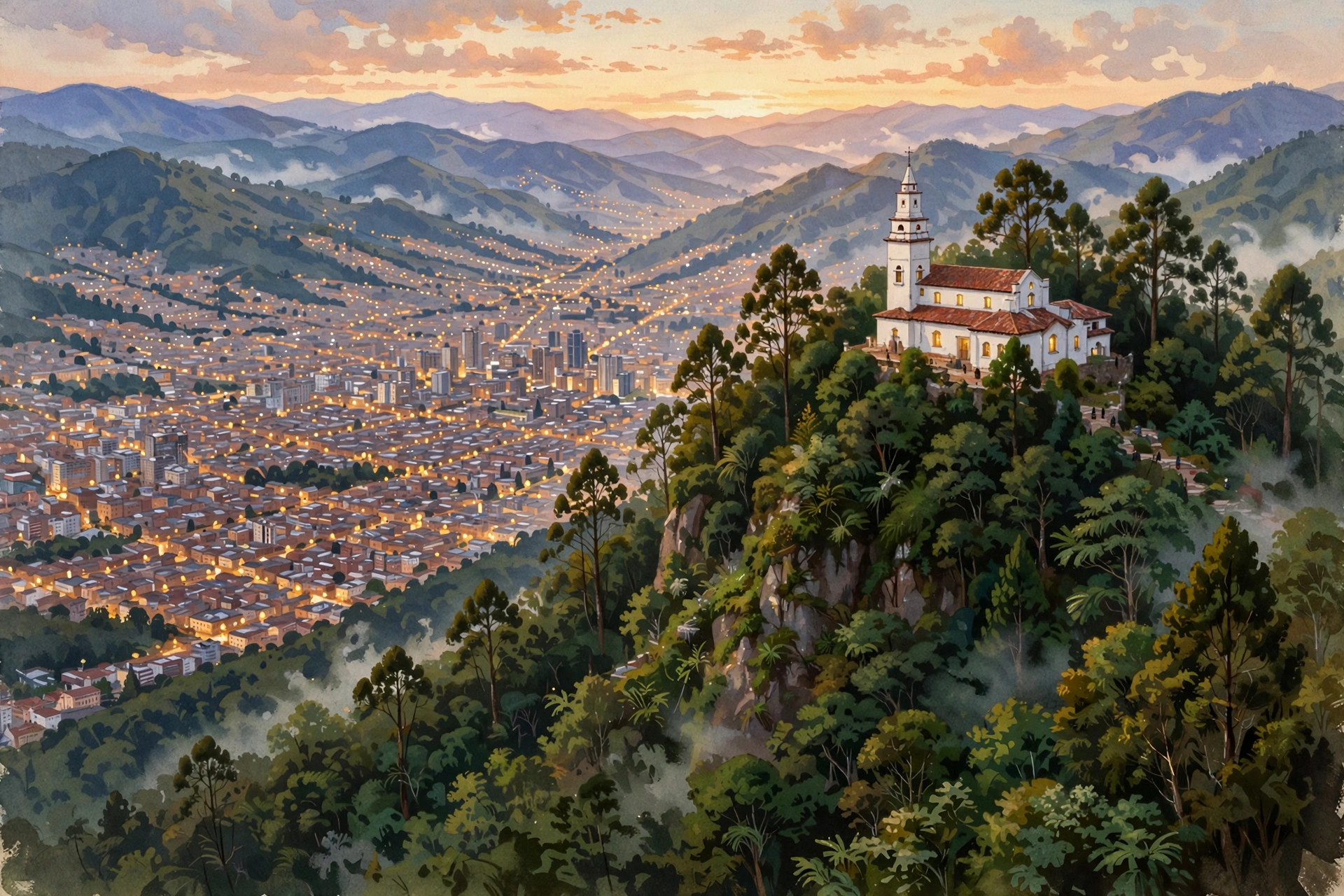
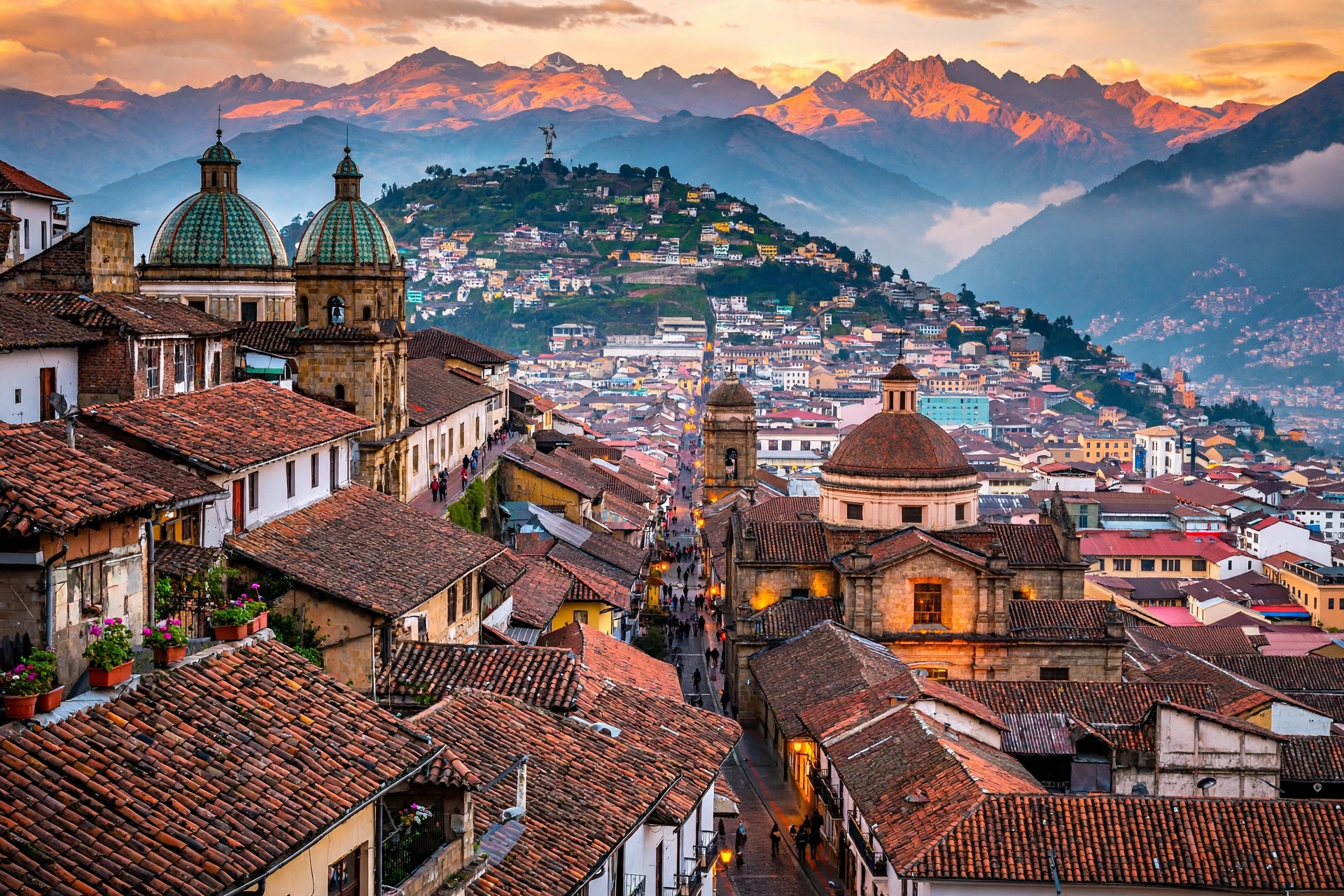
Start in Quito, and start gently. The city sits at 2,850 m, high enough that the first day should be easy: settle in, walk slowly, and let the altitude introduce itself here, where it is moderate, rather than later in Cusco, where it is not. Quito earns its days on its own merits too. Its colonial historic centre is a UNESCO World Heritage site, a dense grid of churches, plazas and balconied streets, and the Mitad del Mundo line, the equator monument north of the city, is the classic half-day out.
The buffer day is doing quiet work. It absorbs a delayed international arrival before that delay can cost you a Galápagos flight, and it is when the islands paperwork gets done properly, not at an airport counter under pressure.
- Transit Control Card: $20, registered online at least 48 hours before the Galápagos flight.
- Biosafety declaration: complete the ABG biosafety declaration before you fly.
- Park fee: $200 per adult and $100 per child, paid in cash on arrival at Baltra. There is no ATM at the airport, so carry US dollars.
- Airport timing: arrive about 2.5 hours before a Galápagos flight. There are three separate queues to clear before check-in.
Fees and entry rules change, so check them again before you go, and keep the cash set aside from day one.
Days 4–8 — The Galápagos, 4–5 nights
Fly Quito to Baltra, the islands' main gateway. Some flights route via Guayaquil: on this itinerary Guayaquil is an airside transit, never a stopover, so stay with the aircraft's instructions and do not plan anything around the stop. From Baltra, cross to Santa Cruz and base in Puerto Ayora, the islands' working town, with a channel crossing, a highlands full of giant tortoises, and day boats in every direction.
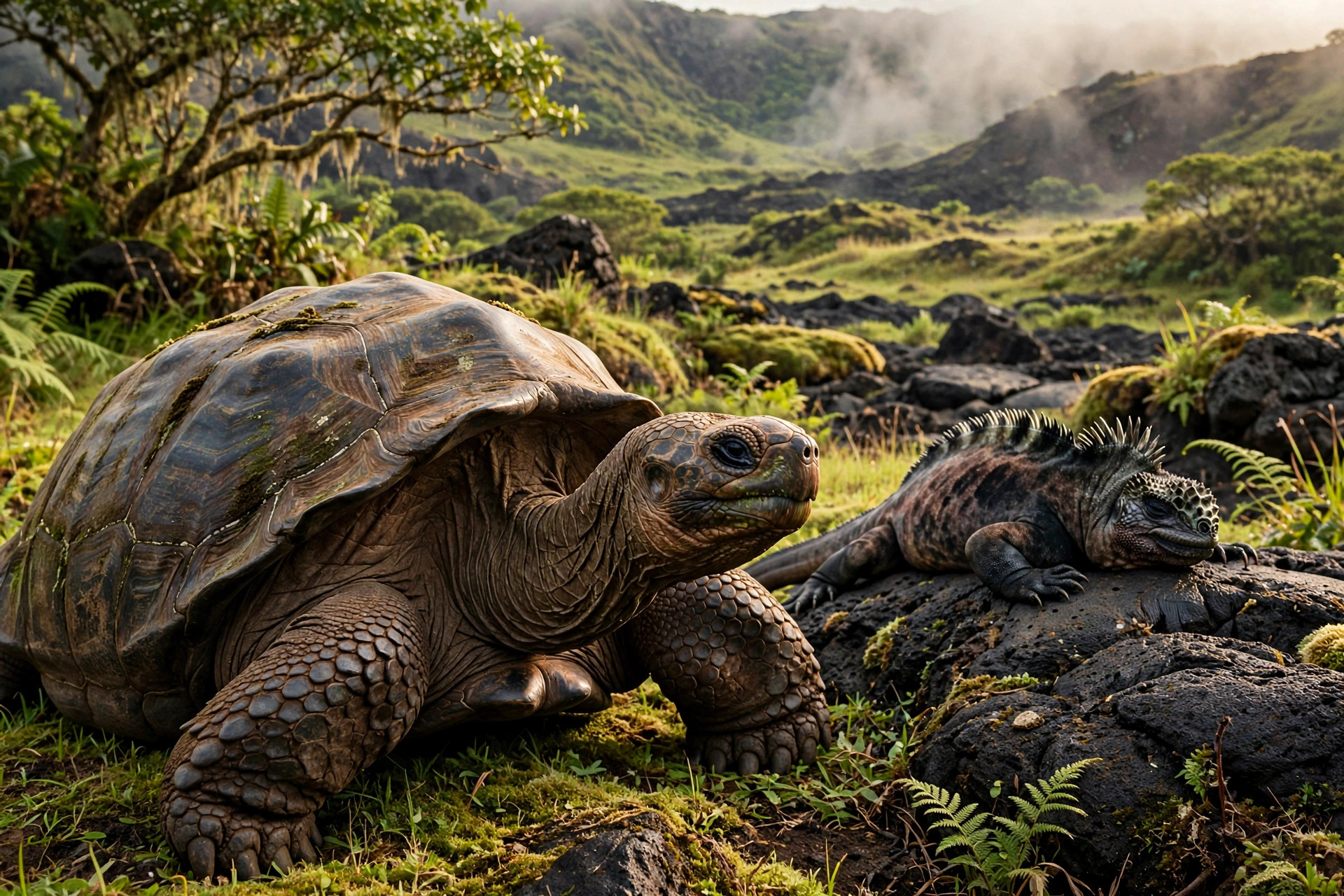
Land-based island-hopping from Puerto Ayora covers the greatest hits well: the Santa Cruz highlands for giant tortoises in the wild, marine iguanas on the rocks at the harbour, blue-footed boobies on the day-boat islands, and day options out to Isabela and San Cristóbal for a wider spread of species and landscapes. The alternative is a short cruise, which reaches islands no day boat can, at the price of a fixed schedule and a higher fare. Either way, four to five nights is the honest minimum: fewer and the entry fees and the flight day stop making sense.
- Base: Puerto Ayora for land-based trips, with Santa Cruz highlands, Isabela and San Cristóbal as day options, or a short cruise instead.
- Wildlife: giant tortoises, marine iguanas and blue-footed boobies are the signature sightings on this block.
- Clock: the islands run 1 hour behind the mainland. Reset your watch and your meeting times.
- Stay limit: the maximum stay rule is 60 days in 12 months, far beyond anything this itinerary needs, but worth knowing if you are tempted to linger.
Days 9–11 — South to Lima, then down to the Valley
The Galápagos to Lima leg is a full travel day, and planning around that fact, rather than discovering it, is what keeps this block pleasant. Everything routes back through Quito, there is no non-stop, and the whole journey runs to roughly 10 hours door to door. Book it as a travel day, arrive in Lima in the evening, and ask nothing more of it.
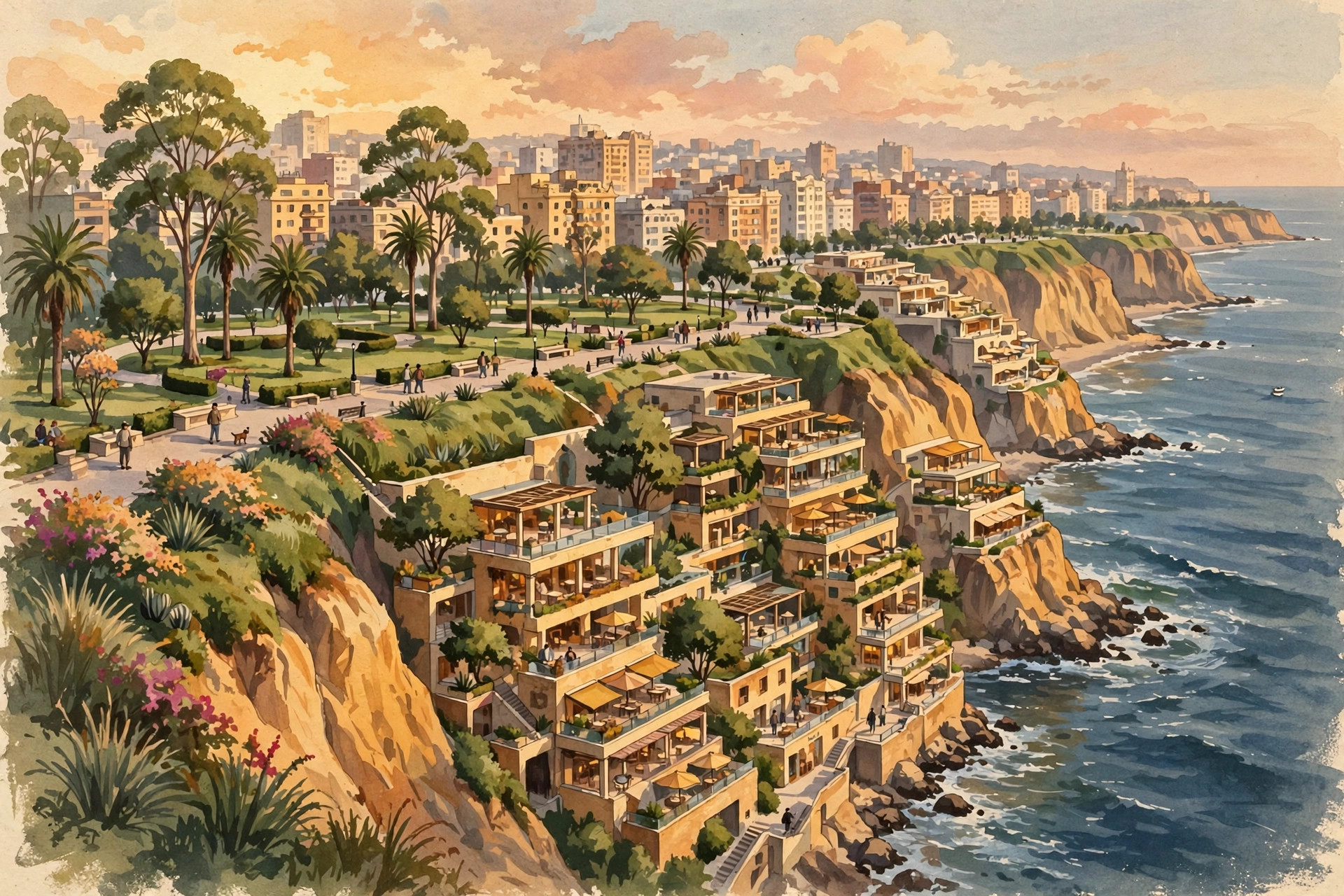
Lima then gives you one to two nights at sea level, a genuine rest between two altitude blocks, in a city that rewards the pause. Base in Miraflores on the cliffs or Barranco, the older, art-filled district next door. See the Museo Larco, and eat: Lima's food scene leads the world, and its top tasting menus need booking as early as your flights. Treat those reservations as part of the booking order, not an afterthought.
- Travel day: Galápagos to Lima via Quito, roughly 10 hours door to door. No non-stop exists.
- Lima: Miraflores and Barranco, Museo Larco, and the food scene. Book top tasting menus as early as flights.
- The altitude move: fly Lima to Cusco (about 1h20), then transfer straight down to the Sacred Valley to sleep low: Urubamba at about 2,871 m and Ollantaytambo at about 2,792 m, both lower than Cusco's 3,400 m.
Days 12–15 — Sacred Valley, the citadel, Cusco
With the Valley as your base and two nights of sleeping low behind you, this block unfolds in the right order. Work the valley first: the terraces and market at Pisac, the salt pans of Maras, and the circular terraces of Moray. These are not warm-up acts. They are major Inca sites that most rushed itineraries skip, and they double as gentle acclimatisation days.
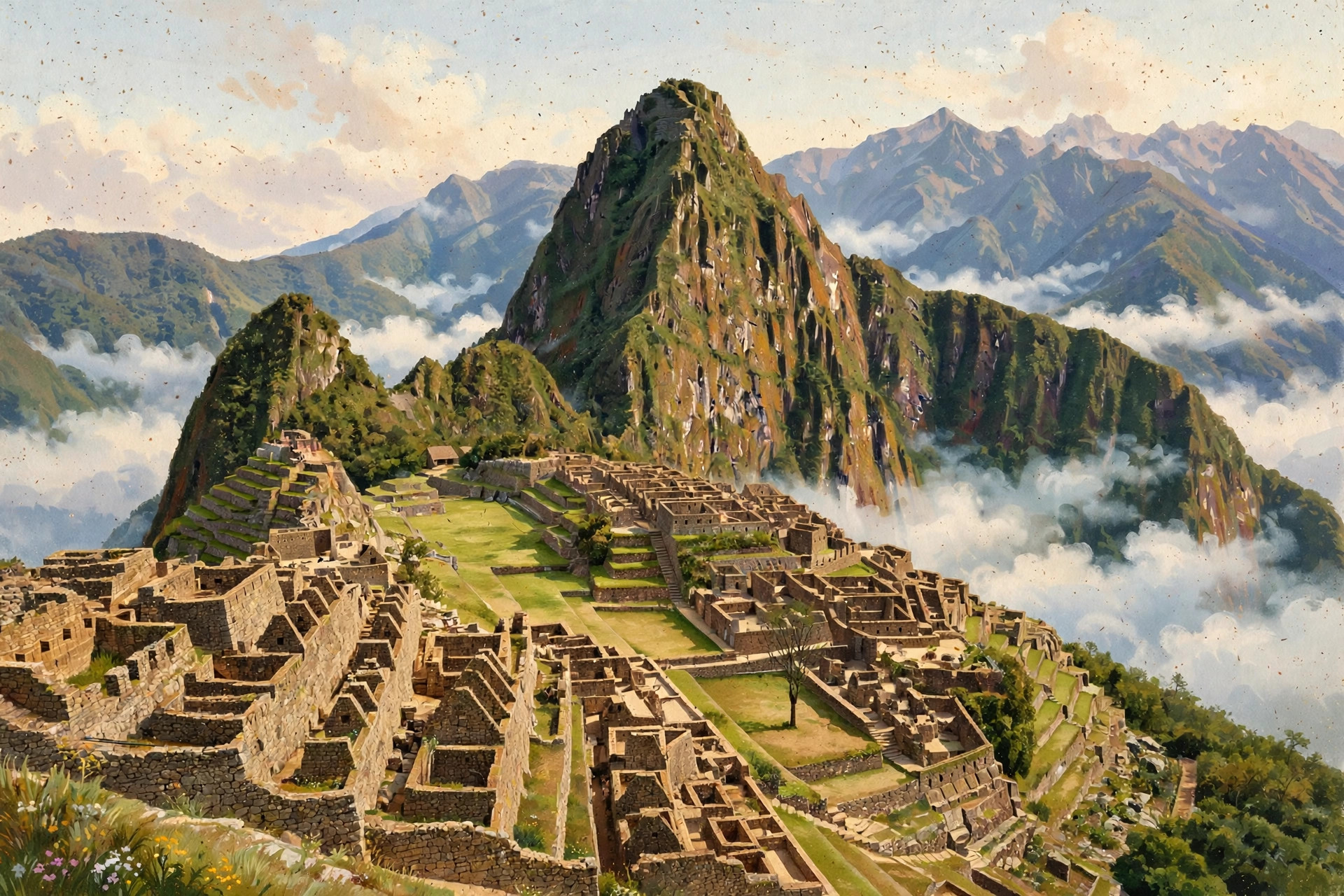
Then the citadel. Machu Picchu entry is circuit-based and timed: you book a named circuit for a set hour, and Circuit 2, the classic route through the citadel, sells out first. Tickets are sold only through the official Tu Boleto platform, are named, and are tied to your passport, so the name on the booking must match the document in your hand. Full detail on caps and booking order is in the capacity section below.
Close in Cusco for two nights: Qorikancha, Inca stonework you can run a hand along in the old lanes, and the Plaza de Armas at dusk. Cusco at 3,400 m is the highest sleep of the trip, and you will enjoy it properly precisely because you arrive already acclimatised, at the end of the route rather than straight off a plane at the start. On day 15, fly Cusco to Lima and home (or compress to day 13–14 on the tight version, cutting a Lima or Cusco night, never a Valley night).
- Valley days: Pisac terraces and market, Maras salt pans, Moray.
- Citadel day: timed, circuit-based entry. Circuit 2, the classic route, sells out first. Tu Boleto only, named and passport-tied.
- Cusco close: two nights, Qorikancha, Inca stonework, Plaza de Armas.
- Departure: fly Cusco to Lima and home on day 15, or day 13–14 on the tight version.
The route
Schematic — not for navigationOne corridor, two countries, no shortcuts. Every leg below is a flight except the valley-to-citadel train, and the islands join the route only through Ecuador.
- Quito → fly about 2 hrs → Galápagos (Baltra)
- Galápagos → fly via Quito, about 10 hrs door to door → Lima
- Lima → fly 1h20 → Sacred Valley
- Sacred Valley → train → Machu Picchu
- Machu Picchu → Cusco
- Cusco → fly out via Lima
There is no direct Lima–Galápagos flight. The islands only attach through Ecuador — which is exactly why this combo exists.
The capacity truth, before you book
Machu Picchu is capped, and the cap is the single fact this whole trip is built around. The citadel admits 4,500 visitors a day in regular season, rising to 5,600 on designated high-season dates. Tickets are sold only through Tu Boleto, the official platform. They are personal and tied to your passport. When your circuit sells out, there is no second channel: the platform is the only source.
So book early: 60+ days ahead as a floor, and two to three months ahead for June to August, for Circuit 2, and for Huayna Picchu. The Inca Trail is stricter still: 500 people a day in total, of whom only about 200 are hikers, the rest porters and guides. It is walked with licensed operators only, it closes for all of February, and its permits go at annual release. A four-day trail can replace the Sacred Valley days on this itinerary, but only if you commit when permits open, not when flights get cheap.
What this route costs — the pattern, October 2026
Honest numbers, with their sources and limits stated. These are the cost patterns XSCOPE research found in October 2026, not quotes, and fares on this corridor move: check before you go, and treat every figure below as a planning range, not a price.
| Cost | Figure | Basis |
|---|---|---|
| International hops on the Andean triangle (per hop, booked ahead) | ~$170–$285 | Aggregator snapshots from XSCOPE research, October 2026 |
| Galápagos mandatory entry (per adult) | $220 | $200 park fee + $20 Transit Control Card, before any tours |
| Guided operator versions of this route | ~$6,300–$6,500 per person | 17–25-day Ecuador + Peru guided trips, Intrepid listings via TourHub |
Read the operator row carefully: those prices are market context from published listings, not an XSCOPE price. XSCOPE sells guides, not tours. Nothing on this page is bookable, and no operator named here is a partner. The operator figure is useful for one thing only: it shows what the guided version of this corridor costs, against which a self-planned trip, booked in the right order, compares very well.
Where you'd sleep
Neighbourhoods and stay styles only, by stop, in the order you will need them. Tier words here are style descriptors, not star ratings: Boutique means small, characterful and locally run; Comfort means a solid mid-range base chosen for location and sleep; Splurge means the stay is part of the experience, booked deliberately, not by default.
Quito
Two honest choices. The colonial centre puts you in courtyard hotels inside restored old houses, steps from the historic grid, atmospheric at night and quiet after dark. The modern north, on the La Floresta side, trades the history for cafes, restaurants and an easier evening scene. Boutique suits the centre; Comfort suits the north.
Galápagos
For land-based trips, a town base in Puerto Ayora: small hotels and guesthouses a short walk from the harbour and the day-boat piers. For the cruise version, a small liveaboard, where the boat is the base and the islands come to you. Splurge money, if you spend it anywhere on this route, works hardest here.
Lima
Miraflores, on the cliffs above the Pacific, is the practical classic: walkable, well served, easy at the end of a travel day. Barranco is the bohemian version: older houses, galleries, and the city's best evening streets. Boutique in Barranco, Comfort or Splurge in Miraflores.
Sacred Valley
Urubamba or Ollantaytambo, chosen for altitude, not luxury. Valley stays range from Comfort guesthouses to genuinely lovely Boutique and Splurge lodges in the fields along the river, but the reason you are here is the number on the altimeter: you sleep low so the citadel day and Cusco go well. Ollantaytambo has the added virtue of being the valley's train town and a major Inca site in its own right.
Cusco
The San Blas lanes, uphill from the centre, are the Boutique quarter: small hotels in colonial houses, workshops and cafes, quieter nights. Near the Plaza de Armas is the convenient version, every restaurant and agency within a few streets, livelier and louder. Either works now: by Cusco, you are acclimatised.
We don't sell rooms, and no property is a partner. These are the neighbourhoods and styles we would book ourselves.
Extensions
Got more than 15 days? Two extensions bolt onto this route cleanly, both on the Peru side, both sequenced by the same altitude and season logic as the main trip.
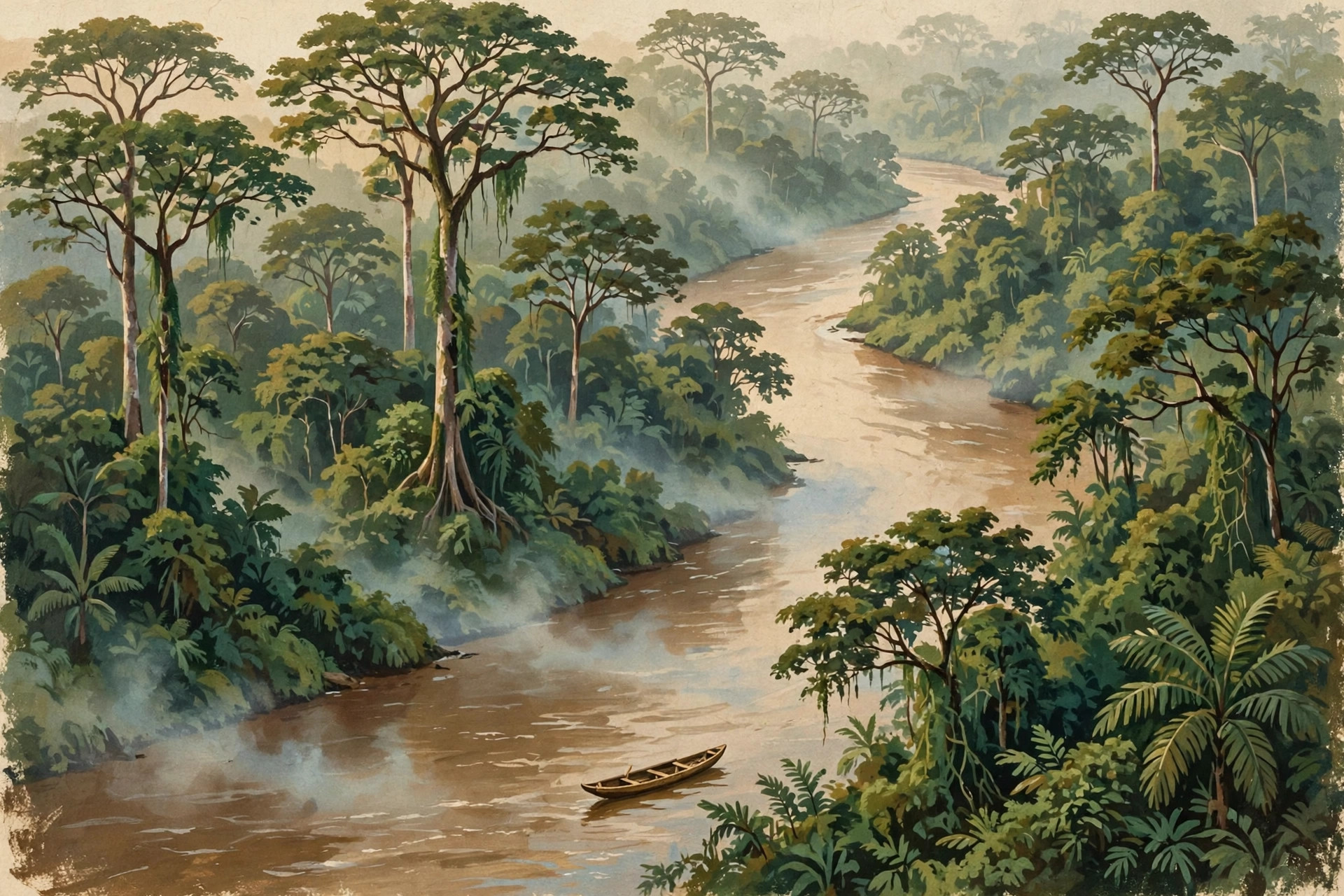
A short hop from Cusco to Puerto Maldonado and the Tambopata rainforest. Drier, and easiest, June to November.
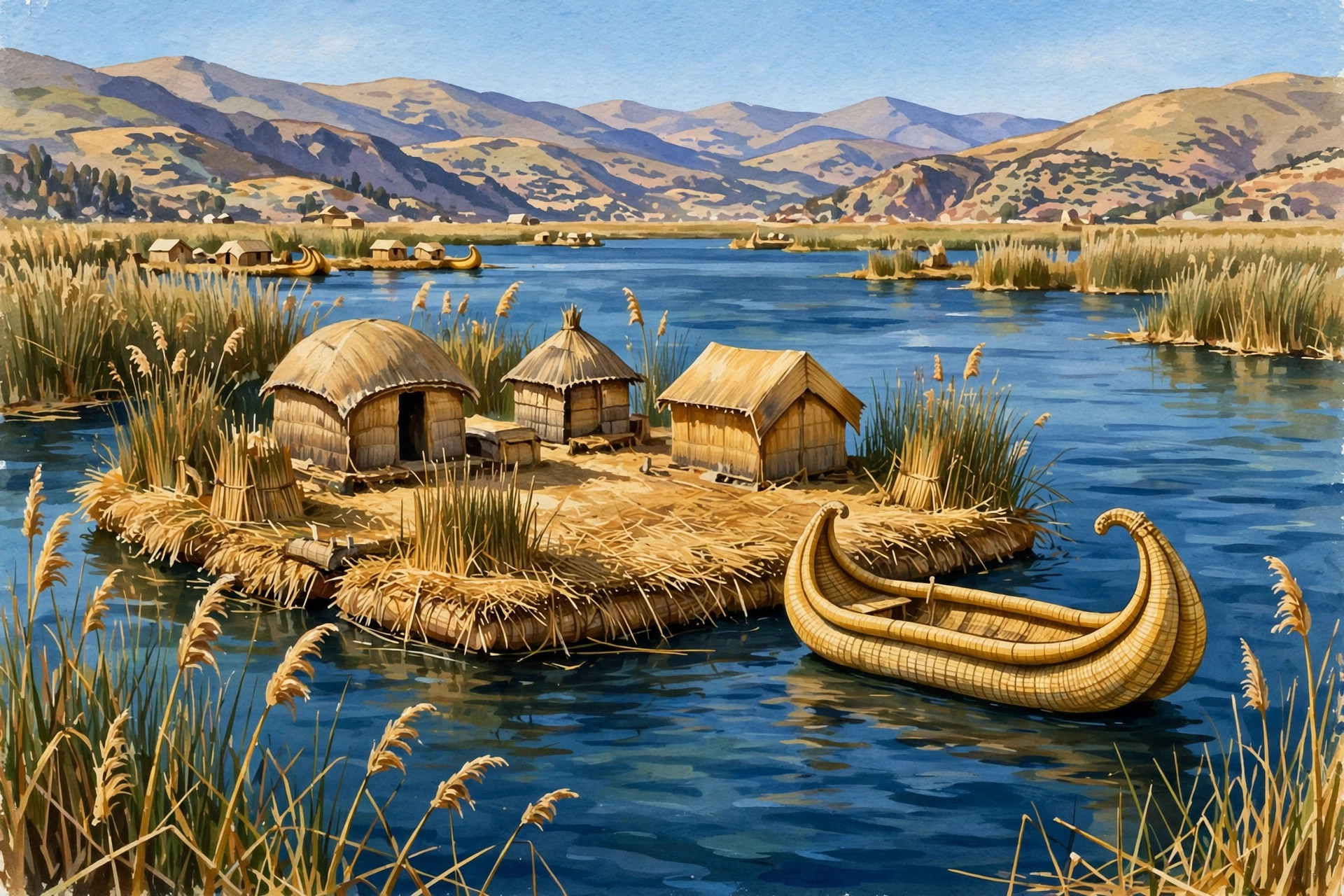
Reed islands and textile islands out of Puno. At 3,827 m, Puno is the highest night of the trip, so it goes last, never first.
Plan it yourself with the guides
XSCOPE's paid guides ($4.99) pair the reel with the reality: dated itineraries, real costs, booking order. Start with the Peru guides and the Ecuador guides, and take the free sample first if you want to see the format.
No paid placements yet — when affiliate links go live here, they will be disclosed.