One jungle on the map, three different trips
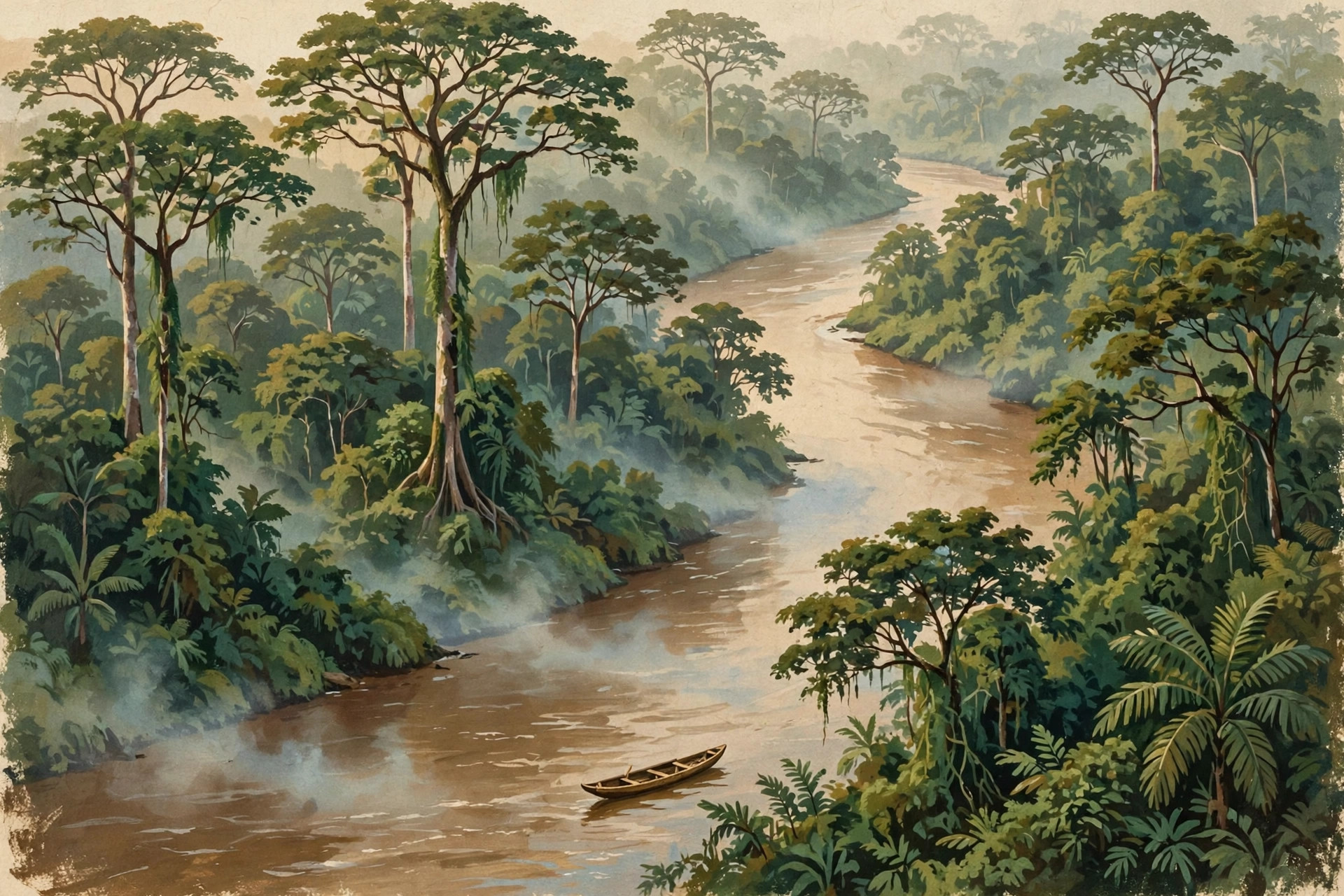
Peru's Amazon is not a single add-on with three spellings. The gateways lead to genuinely different products — different rivers, different logistics, different travellers — and choosing between them is the main decision on this page. All three deliver lowland rainforest at its most intact: oxbow lakes, clay licks, flooded forest, and wildlife viewing that runs year-round, with the trade-offs set by water levels rather than by season alone. May to October is relatively drier in both basins; the forest is wet in every month and plans should assume it.
Where in Peru
Schematic list — not for navigationPeru runs in three bands: the Pacific coast in the west, the Andes down the middle, and the Amazon across the east. Almost every first trip moves Lima → Sacred Valley → Cusco, then south to Arequipa and Titicaca, or east to the Amazon. Art for this panel is in production; the places below are placed by region, north to south.
- Lima — Pacific coast · gateway
- Cusco — Andes · 3,400 m
- Sacred Valley (Ollantaytambo) — Andes · 2,792 m
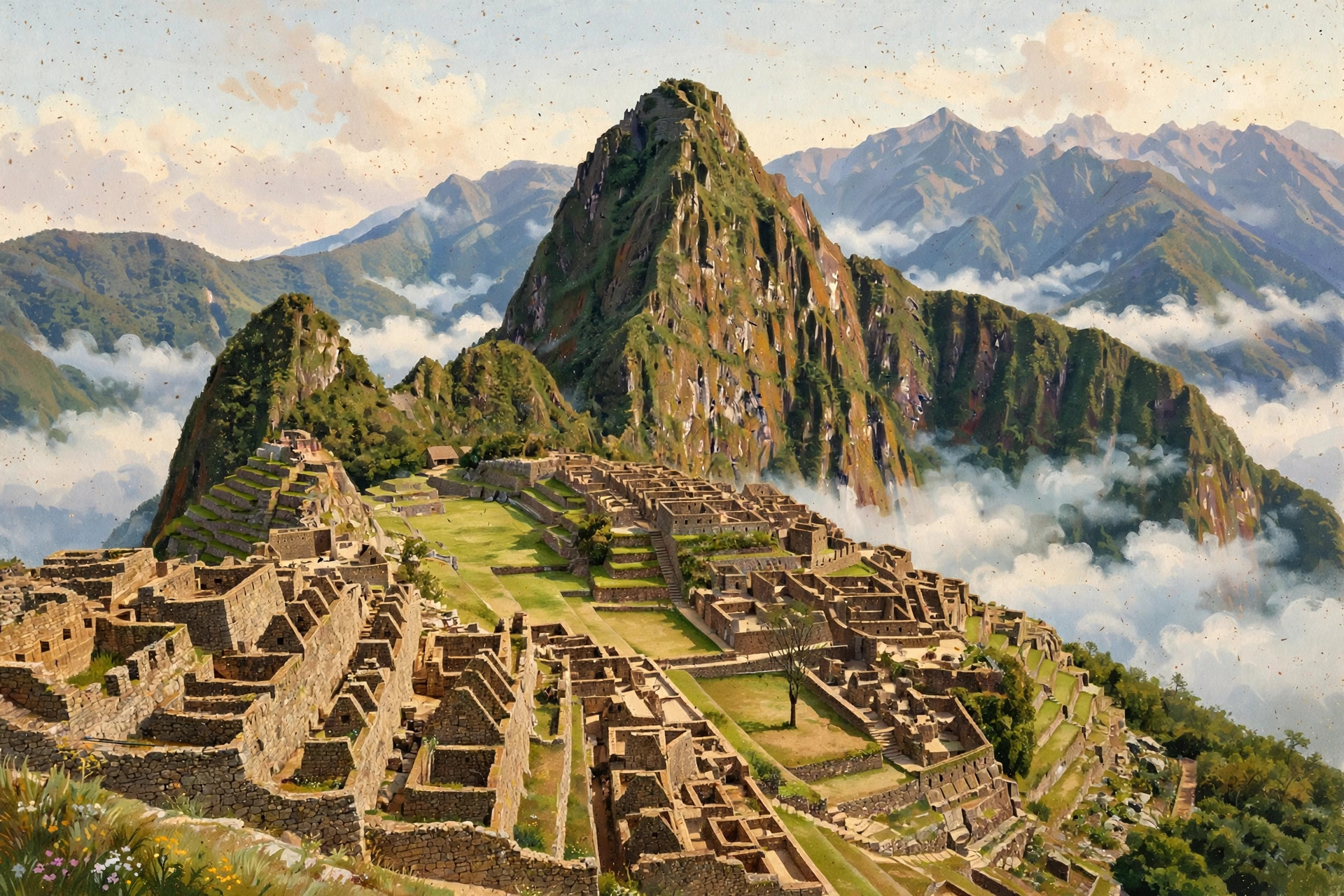
- Machu Picchu — Citadel · 2,430 m
- Arequipa — White City · 2,335 m
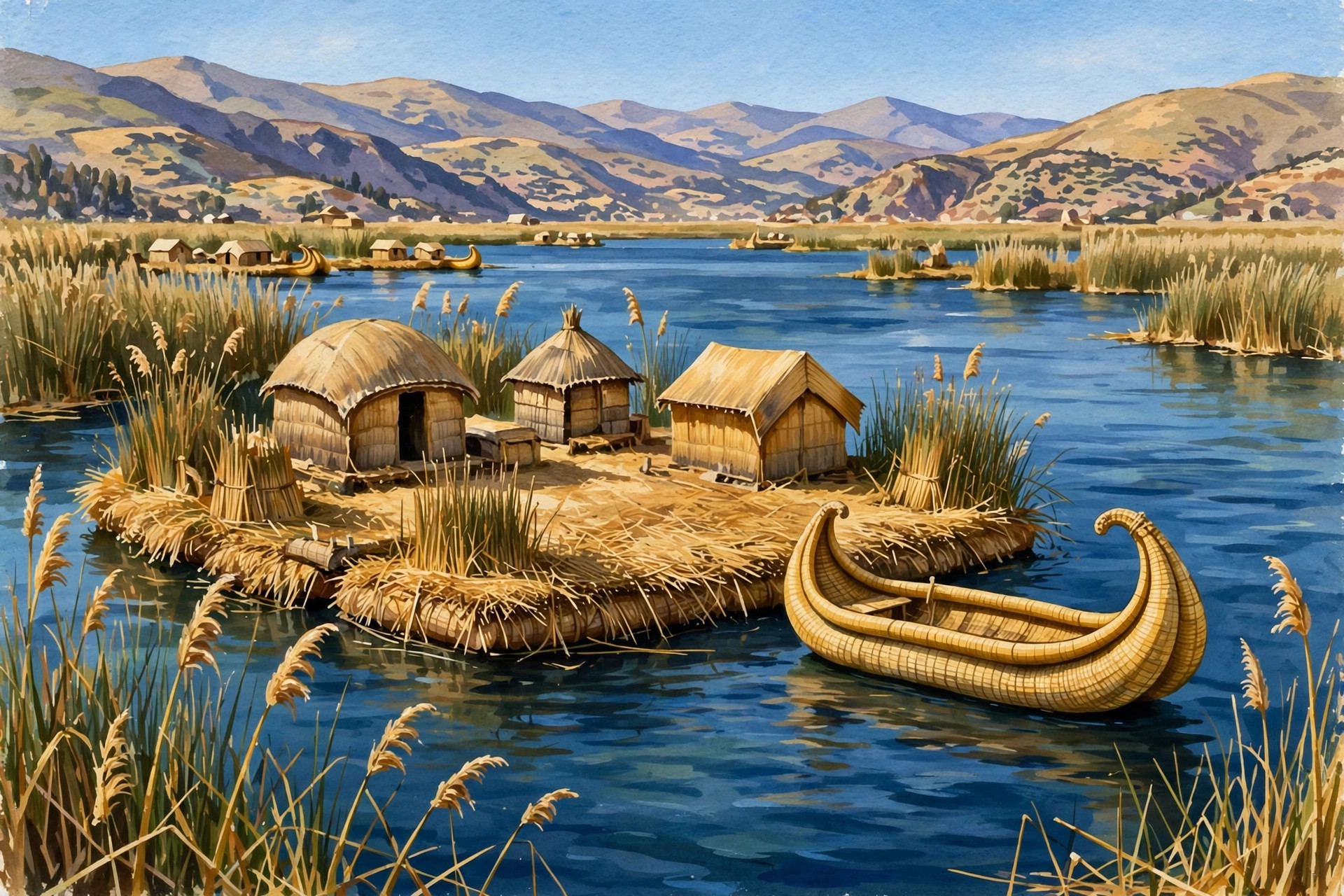
- Puno / Lake Titicaca — Altiplano · 3,827 m
- Puerto Maldonado — Amazon gateway
- Iquitos — Amazon River · fly-in
Illustrative schematic. Not for navigation. Open in Google Maps ↗
Puerto Maldonado & Tambopata: the easy Amazon
For most itineraries, this is the answer. Puerto Maldonado, in Madre de Dios, is reached by direct flights from both Lima and Cusco — about an hour from Cusco — which makes Tambopata the one Amazon stop that bolts cleanly onto a Cusco circuit without a Lima reset. The product is lodge-based: the Tambopata National Reserve, oxbow lakes such as Sandoval, macaw clay licks at dawn, and giant river otters among the headline wildlife. Three to five days is the honest stay: long enough for a lake, a lick, and a night walk; short enough to fit a two-week Peru trip without strain.
Iquitos: the Amazon River itself
Iquitos is a different proposition: not a tributary lodge stop but the great river, reached with no road at all — a flight of about 2 hours from Lima, or the river itself. The experiences scale up accordingly: flooded-forest canoeing, pink river dolphins, and multi-day river cruises that treat the Amazon as the destination rather than the backdrop. Allow four to six days. The logistical honesty matters: Iquitos does not combine as neatly with Cusco, because there is no direct Cusco flight — an Iquitos leg usually means routing back through Lima, which suits trips that end in the north or travellers giving the river its own chapter.
Manu: the deep version
Manu is the connoisseur's option: a biosphere-reserve forest reached overland and then by boat from Cusco, on a journey that is longer, rougher, and priced accordingly. What it returns is depth — primates and birdlife in forest that feels genuinely untouched, and a sense of distance the fly-in lodges cannot match. Sell it, and take it, as a naturalist's trip: not for first-timers on a tight schedule, and all the better for it.
Tours we're vetting for the Peruvian Amazon
We're lining up launch partners for guided tours in this region — operators we'd book ourselves. When we recommend one, we'll tell you exactly why, and any commission will be disclosed here.
No paid placements yet — when affiliate links go live here, they will be disclosed.
Health and honesty notes
- Yellow fever vaccination and malaria advice are per-zone questions. Check both against your exact lodge and route with a travel-health professional before you book; a general Lima–Cusco arrival carries no yellow-fever certificate requirement, but Amazon legs change the advice.
- Keep the border distinction straight. The US Level 4 area in the Loreto region is the Colombian-border strip. Iquitos city and the mainstream lodges and cruises are a different matter — but operators should route away from the border area, and travellers should verify routing when a cruise itinerary is proposed. See Essentials.
- XSCOPE does not sell or endorse ayahuasca or Kambo retreat products. The US State Department warns against them, citing deaths, serious illness, assault, and robbery of participants. The jungle offers enough without them.
- Pack for wet in the dry season too: quick-dry clothing, dry bags for electronics, a headlamp, and binoculars earn their weight here in every month.
Where to stay in the Amazon gateways
Our vetted stay partners for this region are coming with the launch. Until then, every hotel and lodge mention in this guide is editorial — nobody paid to be here.
No paid placements yet — when affiliate links go live here, they will be disclosed.