Why visit
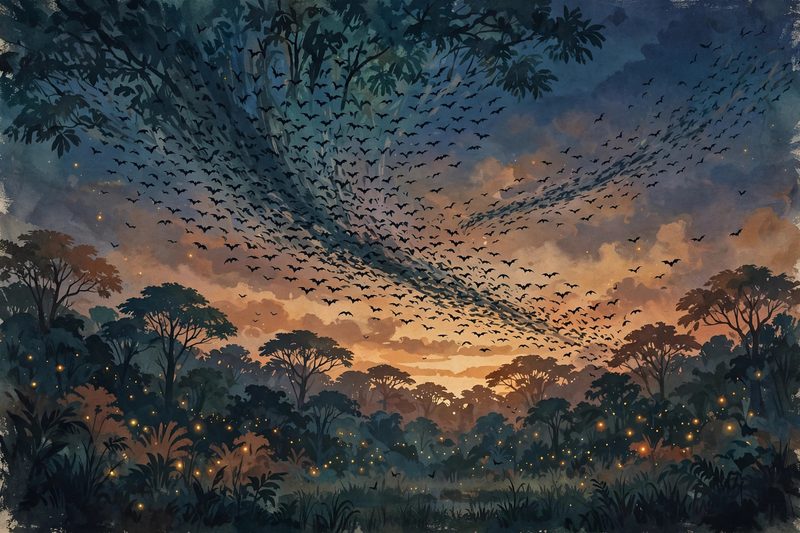
The bat emergence at dusk: a vast stream of bats pouring out of the forest canopy in columns dense enough to look like smoke. The dawn return, best seen from a treetop hide as the sky fills again around 04:30 to 05:30. Sitatunga, the elusive wetland antelope, reliably seen near Wasa Lodge. Blue monkeys, puku herds, hippos, and the park's quieter miombo wildlife. Shoebill storks have been seen at Lake Ndolwa (rare and shy; treat as a bonus, not a promise). And one of Africa's great conservation stories: a park kept alive by a private trust and its own lodge revenues.
Signature experiences
- The dusk emergence: twenty solid minutes of bats filling the sky in every direction.
- The dawn return from a treetop hide, with crowned, fish, and martial eagles hunting the stragglers.
- The hides: Kasanka has bat-viewing hides. Current reporting identifies Musola Hide as a premier location, and a travel listing refers to bookable private morning hides. Confirm current hide names and access with the Trust; do not rely on older references to the BBC hide without checking. Some hide ladders are steep and rickety, not suitable for anyone with mobility issues or a fear of heights.
- Sitatunga grazing near Wasa Lodge, unusually visible for this shy species.
- Puku herds, spur-winged geese, and saddle-bill storks at the Chisamba Wamponde pan.
Seasonality
Late October to mid-December: bat season, roughly 90 days. Numbers build through November; late October can already hold several million.
November: the classic month for the full spectacle.
May to October: dry season, better general game viewing, but no bats.
November to March: wet season, excellent birding with migrants arriving.
Honest trade-off: outside bat season Kasanka is a gentle, uncrowded park, not a big-game destination. Come October to December for the bats, or come for the quiet.
Getting there and getting around
Getting there: drive the Great North Road from Lusaka, about four to five hours on good tar to the Serenje area, then turn toward Samfya and left at the 54 kilometre mark into the park at the Malaushi gate. The park is open daily 6am to 6pm. Self-driving is realistic on this route; the final access roads are gravel but manageable. Stock up on food and fuel in Lusaka; the park is remote and supplies are limited. Charter flights can be arranged through Lusaka operators for those short on time.
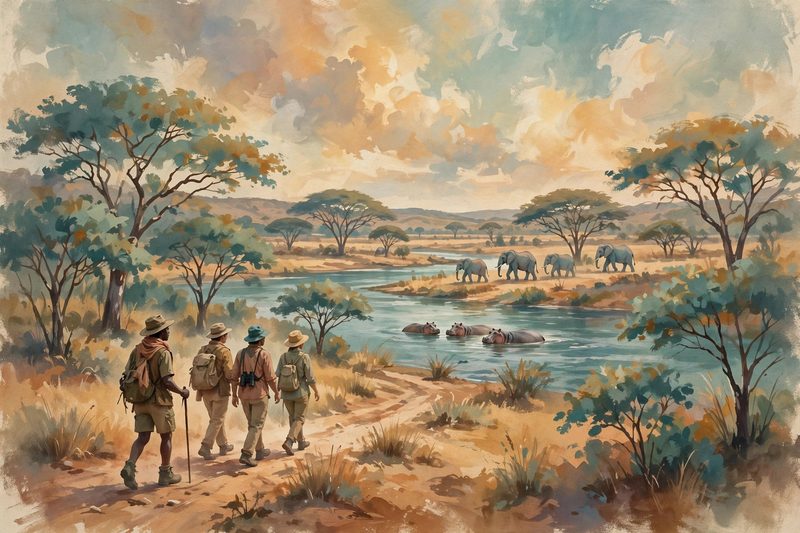
Getting around: guided walks are the best way to experience Kasanka, from an hour to multi-day walks. Game drives are offered and can be arranged day or night (spotlight). Self-drivers can use their own 4x4 with some restrictions for safety. Hire the park guides for the bat forest; they know the roost sites and the hide bookings.
Where to stay and budgets
Wasa Lodge: the Kasanka Trust's own lodge on the lake shore, and the natural base for bat season. Basic but comfortable rooms with flush toilets and bucket showers filled on request; profits go directly back into running the park. 2026 rates and operating status are unconfirmed; confirm with the Kasanka Trust before booking. November availability is limited, so book well ahead if a reservation is accepted. The park's listed lodges are Wasa and Luwombwa; do not confuse them with any separate property of a similar name in the wider district.
Campsites: basic, with river-water showers and no electricity. Older reports put camping around $10 per person per night; confirm current rates for 2026. Treetop hide access for the bat viewing usually carries an additional fee on top of park entry; confirm the current charge with the Trust.
Rough bands: camping from about $10 per person per night (older reports; confirm for 2026); Wasa Lodge rooms in the low hundreds per night (verify 2026). Rough daily planning figures for October 2026, per person excluding international flights: about US$250 low, about US$450 mid-range, about US$700 upper-end. These are indicative package-based estimates, not verified standalone Kasanka rates; standalone park entry fees, conservation fees, current lodge rates and activity prices are not verified in the sources. Confirm current charges with the park or operator.
Risks and local rules
- Visa: the KAZA Univisa is listed at US$50 and permits multiple visits between Zambia and Zimbabwe for up to 30 days, plus qualifying day trips to Botswana through Kazungula. Rules can change; check current eligibility and arrangements before travel.
- Health: malaria is present year-round throughout Zambia. Prophylaxis is essential. The nearest hospital-level care is hours away in Serenje or back in Lusaka; medical evacuation insurance is a prerequisite.
- Safety: Kasanka is a gentle park as safaris go. The honest risks are the rickety hide ladders, heat, and remoteness. Standard safari sense applies.
- Money: confirm accepted payment methods with your lodge and the park. Carry kwacha for fuel and towns, and do not count on card payments.
- Connectivity: assume none at the lodge and campsites. Download offline maps before leaving Lusaka.
Travel gently
Kasanka exists because a private trust kept it alive when the state could not. Staying at Wasa Lodge funds the park directly. The bats are a keystone species: each bat eats around two kilograms of fruit a night, dispersing seeds that regenerate miombo woodland across the region. Keep noise down at the roost, follow guide instructions at the hides, and do not use flash photography on the bats. A BBC Travel report puts Kasanka's annual bat-season visitors at about 800 (a reported figure, not a verified official count); coming here means joining a very small club, so treat the place accordingly.
Next in the Zambia guide
Questions, answered honestly
How many bats are there, really?
A 2023 camera-and-AI study estimated an average of roughly 750,000 to one million bats per night over five nights, though it may not have captured the seasonal peak. Older published estimates range as high as 8 to 12 million. You will not be counting; you will be watching the sky go dark.
Is it worth the trip just for bats?
If the phenomenon moves you, absolutely. If you need lions and elephants to feel a safari was worthwhile, pair Kasanka with South Luangwa or Lower Zambezi instead of coming only for the bats.
When exactly should I go?
Late October to mid-December, with November the safest bet for peak numbers. The migration is tied to fruiting cycles, not a calendar, so there is natural variation year to year.
Can I see the bats without climbing the hide?
Yes. The emergence is perfectly visible from the ground, and many visitors prefer it. The hides are for the dawn return and for photographers who want elevation.
Is Kasanka a Big Five park?
No, and that is not the point. Elephant, hippo, and buffalo occur, but large predators are scarce. Come for the bats, the sitatunga, the birds, and the quiet.
How many days do I need?
Three nights minimum in bat season: two dusk emergences and one dawn return, with a day for the park itself. Four is better.