Why visit
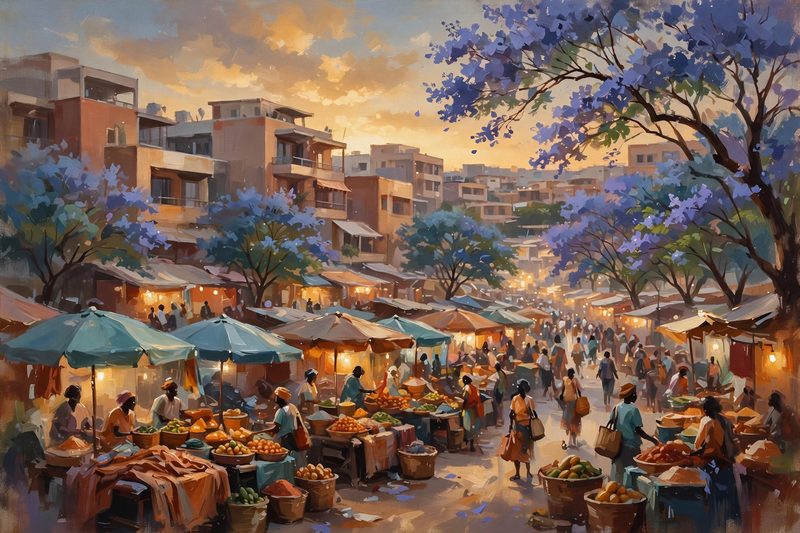
Most visitors to Zambia touch down in Lusaka and leave the same day, heading for the falls or the bush. That is their loss. Zambia's capital is a sprawling, fast-growing plateau city of markets, music, and some of the friendliest strangers you will meet anywhere on the continent. It is the place to understand urban Zambia: the Cairo Road rush, the chitenge fabric stalls, the matebeto lunch counters where office workers eat nshima shoulder to shoulder.
Lusaka is also a genuinely useful base. The Lilayi Elephant Nursery, one of Africa's most moving wildlife experiences, is a short drive from the city centre, with orphaned calves fed in public view around 11:30 each morning. The Lusaka National Museum covers Zambian history from the Stone Age through independence, and Kabwata Cultural Village lets you buy crafts directly from the makers. Day trips reach Chaminuka's game reserve and the Kalimba crocodile farm.
Come with a day or two to spare, go with a guide for the markets, eat where the locals eat, and Lusaka stops being a transit stop and starts being part of the trip.
Signature experiences
- Soweto Market: one of the largest and busiest markets in Southern Africa. Produce, fabrics, street food, and the real pulse of the city. Go with a guide, try the street food, watch your pockets, and bargain with a smile.
- Lilayi Elephant Nursery: Game Rangers International's rescue centre, about 30 minutes from the centre; orphaned calves are fed in public view around 11:30 AM daily. Confirm that your visit or tour pricing includes the conservation donation.
- Kabwata Cultural Village: a craft market with artisans working on site, plus traditional music and dance. Buy directly from the makers.
- Lusaka National Museum: about 1.6 km from downtown; ethnography, archaeology, contemporary Zambian art, and the Kenneth Kaunda story. Allow 2 to 3 hours.
- Chaminuka Nature Reserve: about 15 km from downtown; game drives, a notable African art collection, and a cheese-tasting in an art cave. Keep to non-contact activities: visitor reviews have raised welfare concerns about close-contact animal activities, and these are not resolved. Do not book cheetah walks or elephant feeding unless the operator can provide current, credible welfare information.
- Kalimba Reptile Park: a crocodile farm and reptile park on the city's edge, popular with families.
- Freedom Statue: the independence monument near the museum and government complex, worth a short photo stop.
- Cairo Road: the city's main commercial artery, best experienced on foot in the morning.
Seasonality
- Cool dry season, May to August: the most pleasant months. Days are mild and sunny, nights can be cool (pack a layer for June and July evenings). Best all-round time for the city and day trips.
- Hot dry season, September to October: temperatures climb, October is the hottest month. Mornings are still fine for markets and museums; plan midday indoors.
- Wet season, November to April: afternoon thunderstorms, lush green surroundings, fewer tourists. Roads to outlying attractions can get muddy; the city itself functions normally. January and February are the wettest.
Lusaka works year-round as a city destination. Time a visit around the dry season if combining with safari parks, since wildlife viewing peaks May to October.
Transport
Getting there: Kenneth Kaunda International Airport (LUN) serves Lusaka with regional connections across Southern and East Africa and long-haul links via hubs such as Johannesburg, Nairobi, and Addis Ababa. The airport is roughly 20 to 23 km from central Lusaka; allow about 30 to 45 minutes by car, depending on your destination and traffic. Proflight currently lists direct Lusaka to Mfuwe flights, scheduled for about 1 hour 10 minutes; check the operator's timetable for travel-date availability. Overland, long-distance buses connect Lusaka to Livingstone, the Copperbelt, and neighbouring countries. The drive to Livingstone is typically about 6 and a half to 7 hours; allow extra time and check current road conditions before departure.
Getting around: Lusaka is spread out and not a walking city beyond the central districts. Taxis are plentiful: agree the fare before getting in, as meters are uncommon. Yango and GO (formerly Ulendo) are reported ride-hailing options; confirm GO availability in the app. Many hotels arrange airport transfers and day-trip transport, which is the simplest option for first-time visitors. For Soweto Market, go with a local guide; several community tourism outfits run guided market and food tours that also support youth employment. Minibuses are cheap and ubiquitous but crowded and confusing for newcomers.
Budgets and where to stay
Areas: the city centre and Cairo Road area for markets and museums on foot; the Manda Hill and Arcades mall districts for restaurants and shopping; Kabulonga and Rhodes Park for quieter guesthouses; Lilayi (about 30 minutes out) for the safari-lodge experience.
Indicative price bands per night in USD; confirm rates for your dates before booking:
| Band | Indicative rate |
|---|---|
| Guesthouses and B&Bs | Roughly $40 to $80 |
| Mid-range business hotels | Roughly $100 to $180 |
| Top-end international hotels | Roughly $200 and up |
Iconic properties (confirm rates before booking): Lilayi Lodge, a safari-style lodge set in a private reserve about 30 minutes from the centre, with chalets, game drives, and the elephant orphanage on site; the InterContinental Lusaka, the long-established luxury landmark on Haile Selassie Avenue.
Risks and local rules
- Visa: Zambia's KAZA Univisa (US$50, 30 days, multiple entries between Zambia and Zimbabwe, plus qualifying day trips to Botswana via Kazungula) is issued on arrival at Kenneth Kaunda International Airport and other major entry points. Verified Oct 2026. Separately, Zambia's Department of Immigration lists eligible passports and territories on its visa-exemption page, but the page is undated, so check the official roster before travel; visa-exempt status does not remove the stated ticket or funds requirements. Do not rely on a published waiver-country count: sources conflict. Zambia's single-entry visa is US$50 ($50.50 by card), with new fees from 1 January 2026.
- Health: CDC recommends malaria-prevention medicine for travel to Zambia; Lusaka-specific risk may differ, so discuss your itinerary and personal circumstances with a travel-medicine clinician and take mosquito-bite precautions. Drink bottled or filtered water. Lusaka has the country's best private hospitals and clinics, a genuine asset if anything goes wrong elsewhere on your itinerary.
- Safety: Lusaka is generally considered one of the safer African capitals, but petty theft and pickpocketing happen, especially in markets and bus stations. Avoid walking alone at night in unfamiliar areas, keep valuables out of sight, and use hotel safes. Visit Soweto Market with a guide.
- Money: the kwacha (ZMW). ATMs are widespread in Lusaka and accept international cards; banks and forex bureaus change major currencies. Mobile money (Airtel Money, MTN MoMo) is huge in Zambia and useful for small payments; lodges and malls take cards.
- Language: English is the official language and widely spoken. In Lusaka you will also hear Nyanja (widely used in the capital) and Bemba. A greeting in the local language is always appreciated.
- Connectivity: good 4G coverage in the city; buy a local SIM (Airtel, MTN, Zamtel) at the airport or malls. Wi-Fi is standard in hotels and many restaurants.
Travel gently
- Buy crafts at Kabwata Cultural Village directly from the artisans rather than from curio middlemen.
- When visiting Soweto Market, hire a local guide: several outfits train local youth as guides, so your fee supports new income streams.
- Ask before photographing people, especially in markets.
- The Lilayi nursery visit includes a conservation donation in most tour pricing; confirm yours does.
- Avoid any attraction offering elephant rides or predator petting. Zambia's walking-safari tradition is built on respectful distance, and the city should be no different.
Next in the Zambia guide
Questions, answered honestly
Is Lusaka worth more than a transit night?
Yes, if you give it a day or two. The elephant nursery, Soweto Market, the museum and Kabwata make a full and genuinely enjoyable day, and the food and nightlife reward a second evening. It is also the most practical place to handle money, gear, and domestic flight connections.
Is Soweto Market safe for tourists?
With a guide, yes. It is crowded and chaotic, which is the point, but pickpockets work crowds everywhere. Go in the morning, carry little, keep your camera strap short, and let a local guide handle the navigation and introductions.
How do I eat nshima without embarrassing myself?
Wash your hands first (a basin is usually brought to the table). With your right hand, pinch off a golf-ball-sized piece, roll it smooth, press a small hollow with your thumb, and use it to scoop relish. Do not use your left hand. Nobody minds a beginner; effort earns smiles.
Can I see wildlife without leaving Lusaka?
Yes. The Lilayi Elephant Nursery is the headline, and Chaminuka's reserve is 15 km out (non-contact activities only). Munda Wanga Environmental Park, south of the city, has rescued wildlife and botanical gardens; it is reported open daily, but its current operating status and hours are not confirmed by an official source, so check with the park before visiting.
What is the best day trip from Lusaka?
Chaminuka for non-contact wildlife activities and art in one outing, or the Lilayi reserve for a half day built around the 11:30 elephant feeding. Kalimba Reptile Park suits families with kids.
How do I get around the city?
Taxis with agreed fares, ride-hailing apps, or hotel-arranged transfers. Minibuses are cheapest but bewildering for newcomers. Do not expect to walk between sights; Lusaka is spread out.