The capital you eat first
Lima is where almost every Peru trip begins, and it has quietly become the reason some trips are planned at all. This is a Pacific capital of cliffs and grey winter fog that happens to hold an outsized share of the world's most celebrated restaurant tables: Maido, the Nikkei restaurant ranked the world's No. 1 in 2025, and Central with Kjolle behind it, alongside the cevicherías — La Mar is the name travellers repeat — where the city's real daily food culture runs. Book the famous tasting menus as early as you book your flights; they fill on the same timescale.
Just as important is what Lima does for the rest of the itinerary. It sits at sea level. After days at altitude it is a reprieve, and before the climb it is the calm start that lets the Sacred Valley do its acclimatising work properly. Treat Lima as a place, not a layover.
Where in Peru
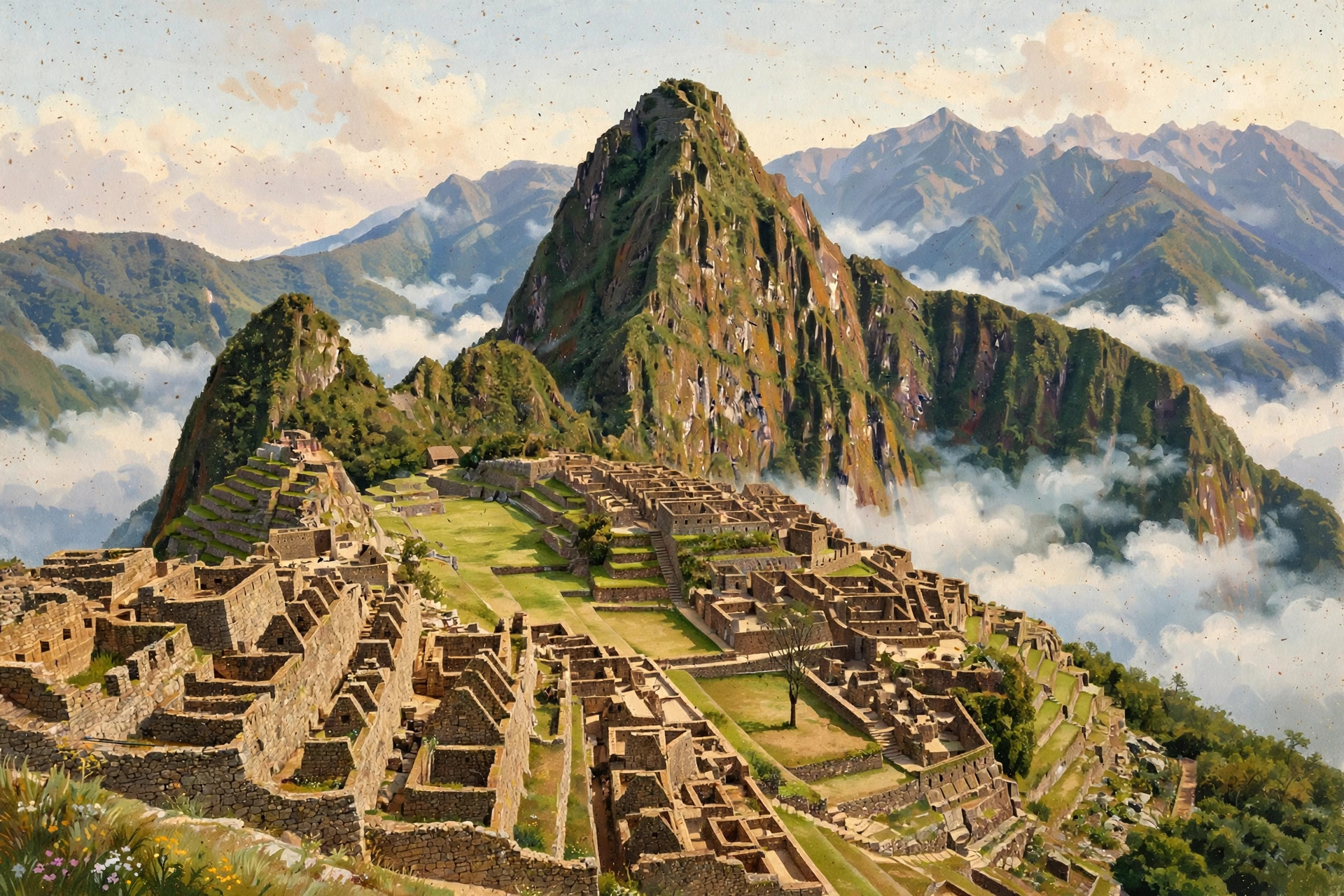
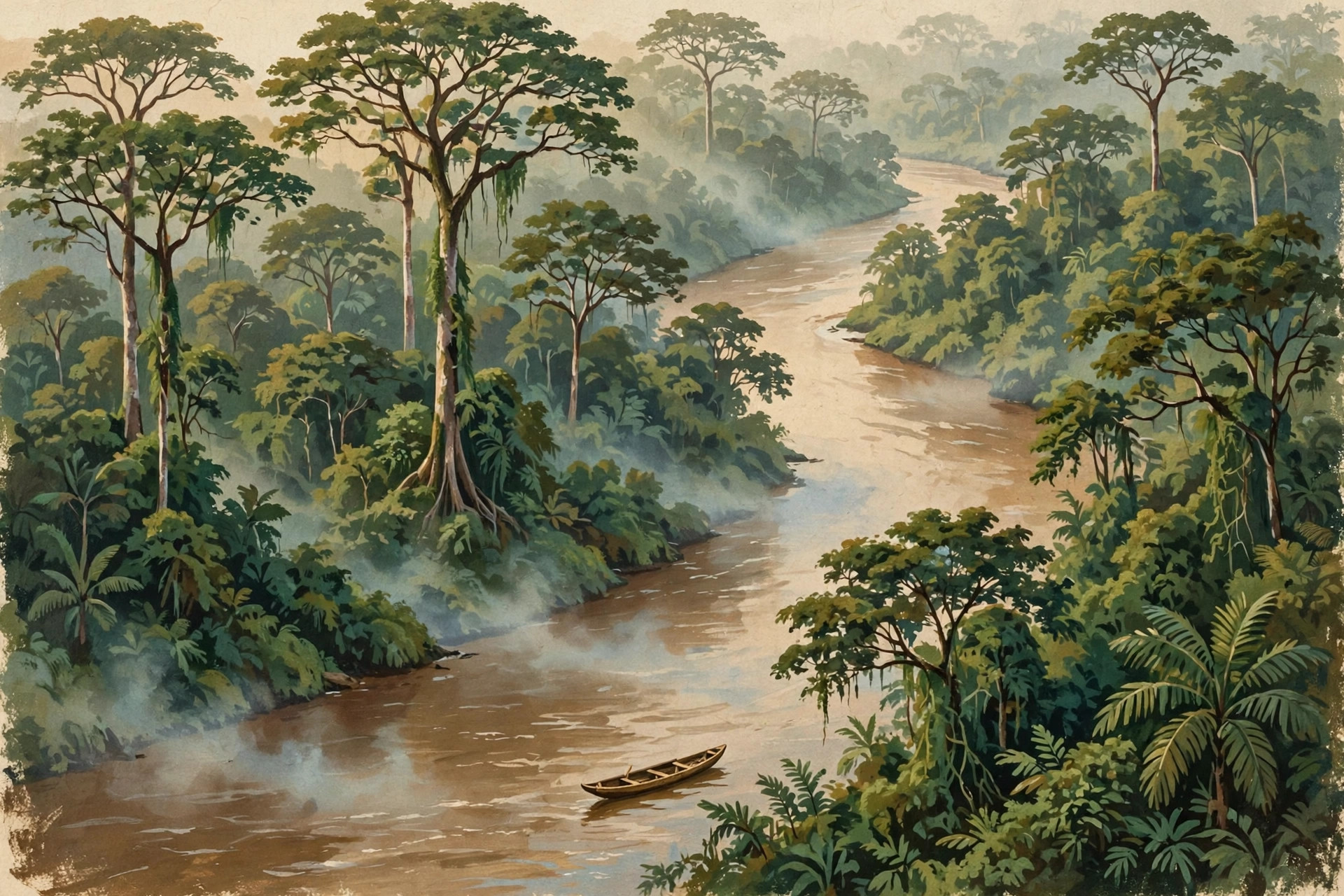
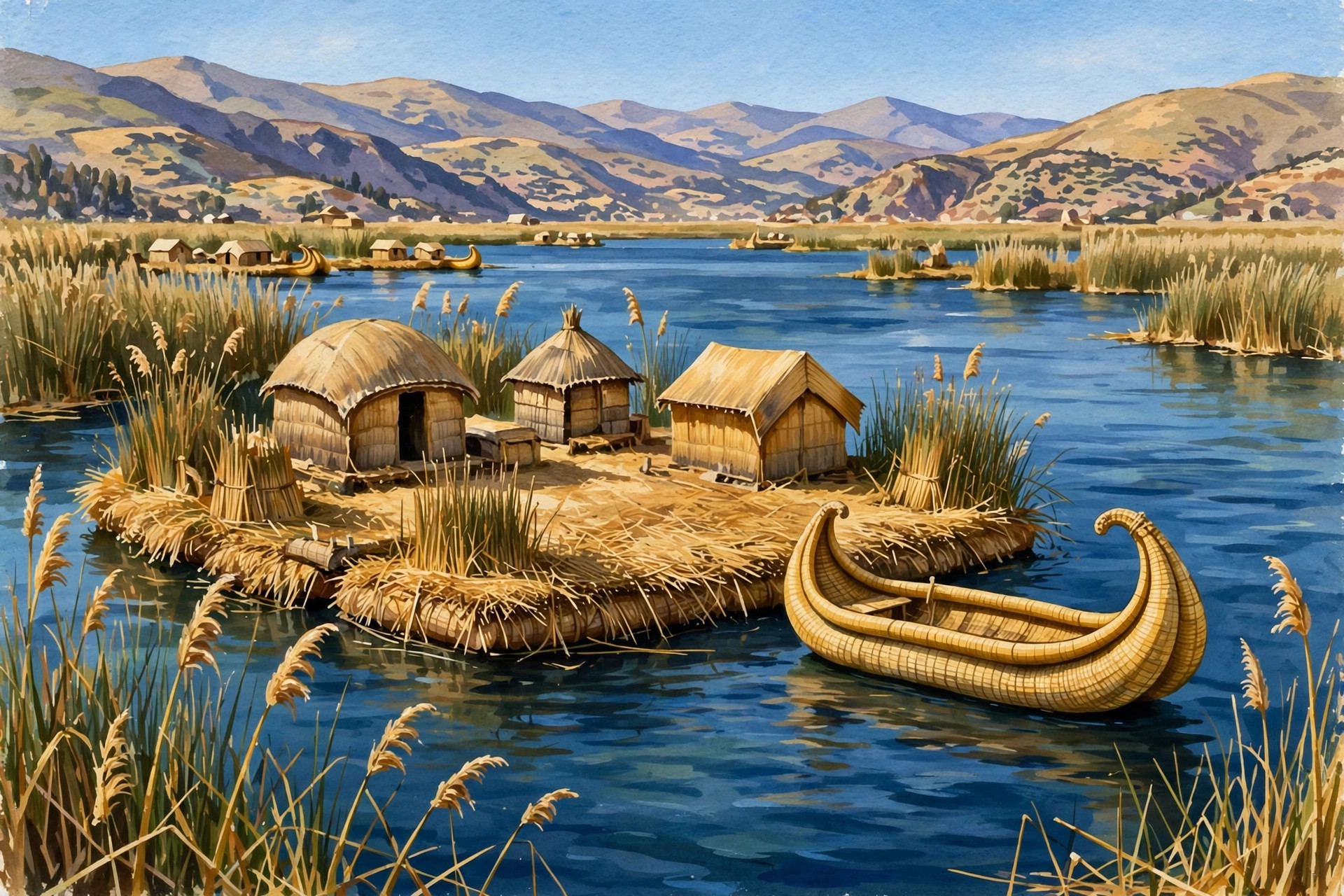
Schematic list — not for navigationPeru runs in three bands: the Pacific coast in the west, the Andes down the middle, and the Amazon across the east. Almost every first trip moves Lima → Sacred Valley → Cusco, then south to Arequipa and Titicaca, or east to the Amazon. Art for this panel is in production; the places below are placed by region, north to south.
- Lima — Pacific coast · gateway
- Cusco — Andes · 3,400 m
- Sacred Valley (Ollantaytambo) — Andes · 2,792 m
- Machu Picchu — Citadel · 2,430 m
- Arequipa — White City · 2,335 m
- Puno / Lake Titicaca — Altiplano · 3,827 m
- Puerto Maldonado — Amazon gateway
- Iquitos — Amazon River · fly-in
Illustrative schematic. Not for navigation. Open in Google Maps ↗
The districts that matter
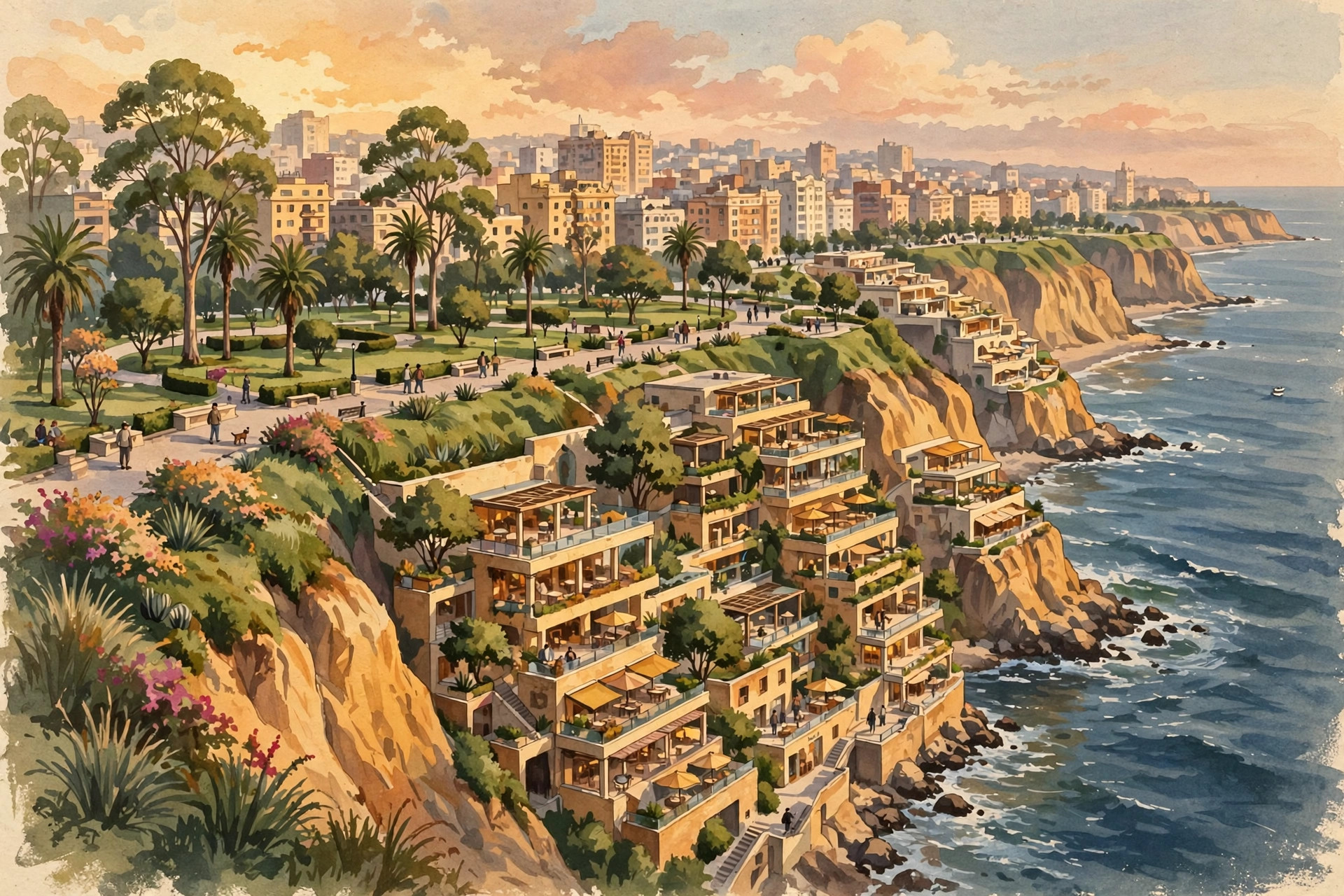
- Miraflores — the default base. The malecón runs along the cliff top in a chain of parks, with the Larcomar complex set into the cliff face below it. Hotels, restaurants, and the easiest logistics in the city.
- Barranco — the bohemian neighbour: colourful streets, galleries, and the Puente de los Suspiros. Many travellers' favourite evening district, and a good second base.
- San Isidro — the business district, quieter and greener, with strong hotel stock for travellers who want calm over buzz.
- The historic centre — a daytime, guided visit: the colonial core rewards a few planned hours and extra care with belongings, rather than a night base.
Beyond the table
Museo Larco is the museum to prioritise: a deep, well-presented collection of pre-Columbian art that gives the rest of the trip — Cusco, the north coast, the Amazon — its context before you see the sites themselves. Huaca Pucllana puts a pre-Inca adobe pyramid in the middle of Miraflores, a reminder that Lima's history runs far older than the colonial centre. Between them and the malecón at sunset, a two-day Lima stop fills easily; a food-led traveller can justify three nights without repeating a neighbourhood.
Seasons in the capital
Lima's calendar is the reverse of the Andes. December to April brings the sun: warm, bright months on the coast. From May to November the city sits under the garúa, a cool grey sea fog that flattens the light but stops nothing — museums, restaurants, and the malecón all run as normal, and many travellers prefer the cooler temperatures for a city stop. What changes is photography, not feasibility.
Arriving well
The new terminal is reached via Avenida Morales Duárez, and Lima traffic is heavy enough that transfer time should be allowed generously — this is not an airport to schedule tightly against a same-day connection to altitude. Use a pre-booked transfer, settle into Miraflores or Barranco, and eat something memorable. Demonstrations can close roads in Lima as elsewhere in Peru, so keep the schedule loose on arrival day and keep a buffer day before your international departure at the end of the trip.
Tours we're vetting for Lima
We're lining up launch partners for guided tours in this region — operators we'd book ourselves. When we recommend one, we'll tell you exactly why, and any commission will be disclosed here.
No paid placements yet — when affiliate links go live here, they will be disclosed.
Where to stay
Stay inside the Miraflores–Barranco–San Isidro triangle for a standard trip. It concentrates the restaurants, the cliff-top walking, and the reliable transport, and it keeps the historic centre as a deliberate day trip rather than a nightly negotiation. Arrive, sleep at sea level, and let the trip climb gradually from here: the Cusco and Machu Picchu page explains why the next bed should be in the Sacred Valley, not in Cusco itself.
Where to stay in Lima
Our vetted stay partners for this region are coming with the launch. Until then, every hotel and lodge mention in this guide is editorial — nobody paid to be here.
No paid placements yet — when affiliate links go live here, they will be disclosed.