When to go to Peru
Peru has no national season. It has three climates — Andes, coast, and Amazon — running on three different calendars, and they never align. The skill is not finding the best month for Peru; it is finding the best month for the Peru you are actually visiting. A Lima food trip, a Cusco trekking trip, and a Titicaca trip peak at three different times.
Where in Peru
Schematic list — not for navigationPeru runs in three bands: the Pacific coast in the west, the Andes down the middle, and the Amazon across the east. Almost every first trip moves Lima → Sacred Valley → Cusco, then south to Arequipa and Titicaca, or east to the Amazon. Art for this panel is in production; the places below are placed by region, north to south.
- Lima — Pacific coast · gateway
- Cusco — Andes · 3,400 m
- Sacred Valley (Ollantaytambo) — Andes · 2,792 m
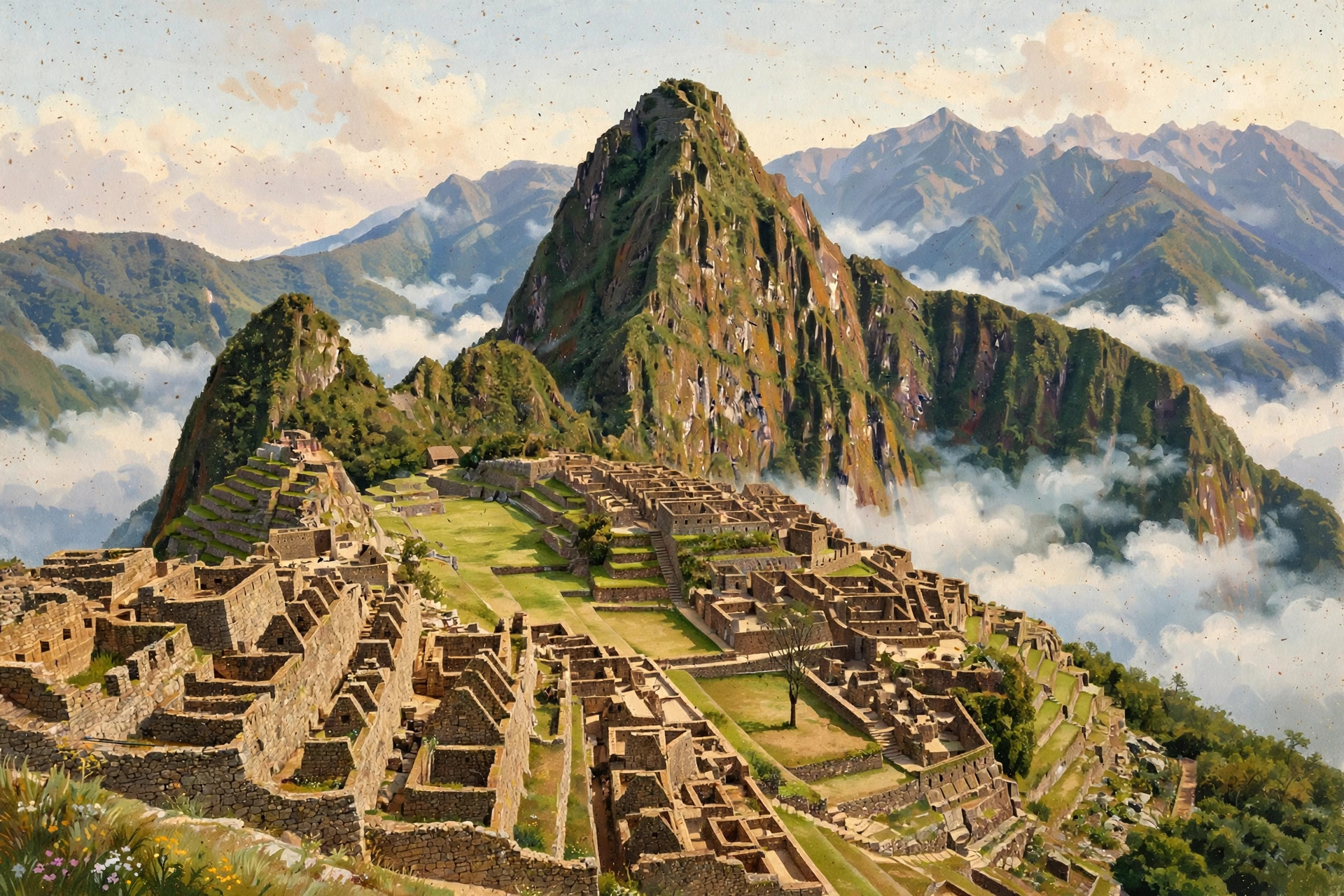
- Machu Picchu — Citadel · 2,430 m
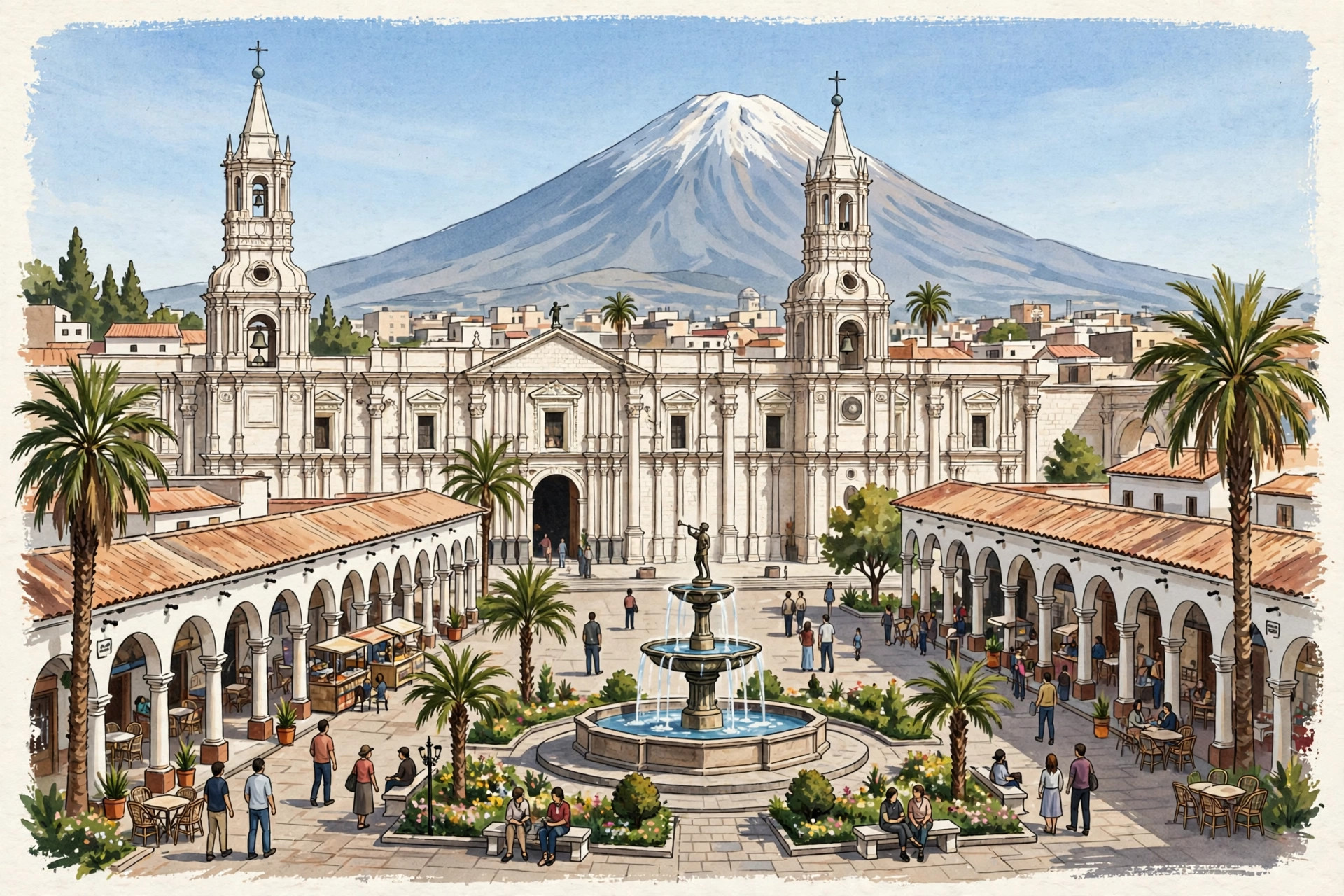
- Arequipa — White City · 2,335 m
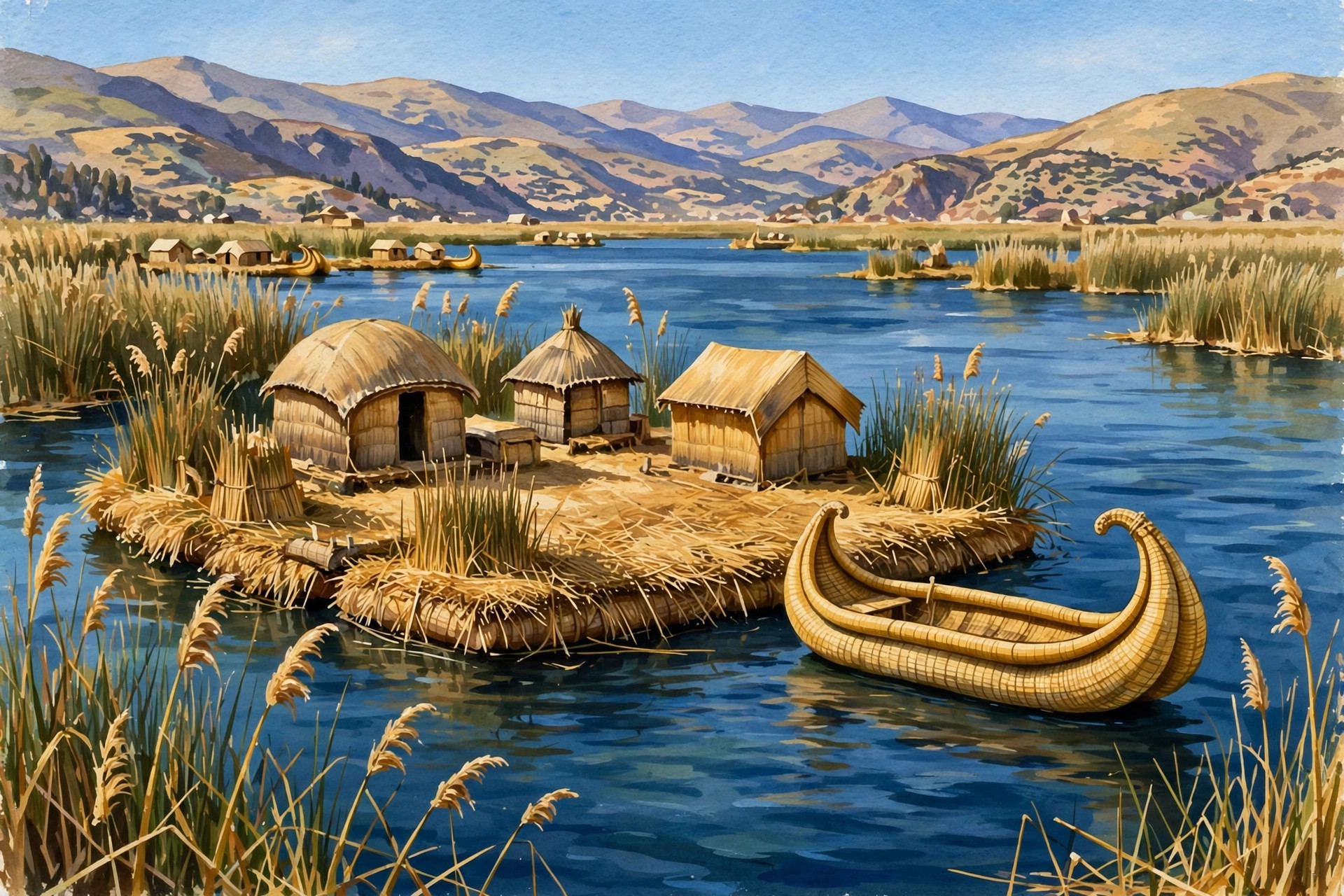
- Puno / Lake Titicaca — Altiplano · 3,827 m
- Puerto Maldonado — Amazon gateway
- Iquitos — Amazon River · fly-in
Illustrative schematic. Not for navigation. Open in Google Maps ↗
The seasons, region by region
| Zone | Dry / prime | Wet / difficult | Notes |
|---|---|---|---|
| Andes — Cusco, Sacred Valley, Arequipa, Puno, Huaraz | May–Sep/Oct | Nov–Apr, wettest Jan–Feb | Inca Trail closed all February |
| Amazon — Iquitos, Madre de Dios | Relatively drier May–Oct | Wetter Nov–Apr | Rain year-round; heat and humidity constant |
| Coast — Lima, Paracas, north coast | Sunniest Dec–Mar | Garúa fog Apr–Nov in Lima | Desert south coast stays dry year-round |
The classic window: May to September. Dry Andes for Machu Picchu and trekking, a drier Amazon, and clear Titicaca skies stack into the country's prime season — with June to August the peak inside it, when northern-hemisphere holidays meet the dry season and every cap and train in this guide is under maximum pressure. Inti Raymi, Cusco's festival of the sun on 24 June, and Fiestas Patrias in late July add two festival spikes to the same months.
The shoulder case
April–May and September–October are the value recommendation. The Andes are mostly dry, April and May are greener than the parched late dry season, crowds thin, and — the practical point — Machu Picchu ticketing and peak trains become materially easier to secure. For travellers whose dates are flexible, the shoulders deliver most of the dry season's product at a fraction of its friction.
The wet season, without the gloss
Travel from November to March is possible and many people enjoy it — Lima is at its sunniest, and the coast is in summer. But the Andean wet season is a real condition, not a marketing caveat: landslides, road and train disruption, and cloud sitting on Machu Picchu for days are all in play, with January and February the wettest months and the Inca Trail closed through February. Wet-season itineraries need buffer days built in, trekking products need explicit weather language, and nobody should promise a clear citadel photograph in February.
Festivals worth timing around
- Inti Raymi (24 June, Cusco) — the Inca festival of the sun, the biggest date in the Cusco calendar. Book everything around it earliest of all.
- Fiestas Patrias (late July) — Peru's national holidays: the whole country travels, and late-July dates at Machu Picchu are designated high-season for a reason.
- Semana Santa (Easter week, dates move) — processions across the highlands and coast; domestic travel surges.
- Puno's folklore calendar — the folkloric capital's festivals are the lake's cultural peak; check the current year's dates before fixing a Puno leg.
Festival dates shift yearly — confirm before booking flights. check before you go
Tours we're vetting for When to Go
We're lining up launch partners for guided tours in this region — operators we'd book ourselves. When we recommend one, we'll tell you exactly why, and any commission will be disclosed here.
No paid placements yet — when affiliate links go live here, they will be disclosed.
How long to stay
| Trip | Days | Shape |
|---|---|---|
| Taste | 7–8 | Lima (2) + Sacred Valley and Cusco (4–5) with Machu Picchu |
| Classic | 10–12 | Lima (2) + Valley/Cusco (5) + Arequipa & Colca (3) |
| Full south | 13–15 | Classic + Titicaca (2) sequenced last, or Amazon (3–4) via Tambopata |
| Deep | 18+ | Full south + Iquitos or Manu, or the north-coast archaeology of Trujillo and Chiclayo |
Peru punishes rushing more than most countries: the altitude ladder alone argues for a slow first week, and every buffer day you add is insurance against the disruption and weather this guide keeps mentioning — because Peru keeps providing it.
Make This Trip Real: When to Go
Our paid trip guides pair the reel with the reality — dated itineraries, real costs, booking links. The Peru editions are in production now.
No paid placements yet — when affiliate links go live here, they will be disclosed.